A carved stair rail is more than a decorative detail. A stained-glass transom is more than a window. Together with the rooms and streets around them, these features help make an old house a particular place. Before asking what can be removed, it is worth asking what can stay.
Start by considering the house as a whole
Preserving a house and salvaging its materials are not the same thing. Preservation keeps a building and its context together. Salvage gives selected components another use after removal. Both can matter, but rescuing a mantel does not replace the history of the room it came from.
The National Park Service describes rehabilitation as making a compatible use possible through repairs, alterations, or additions while preserving the features that convey a property's historical, cultural, or architectural values. Its standards call for retaining historic character and repairing deteriorated historic features rather than replacing them when repair is possible. [1]
Character lives in the details—and their relationships
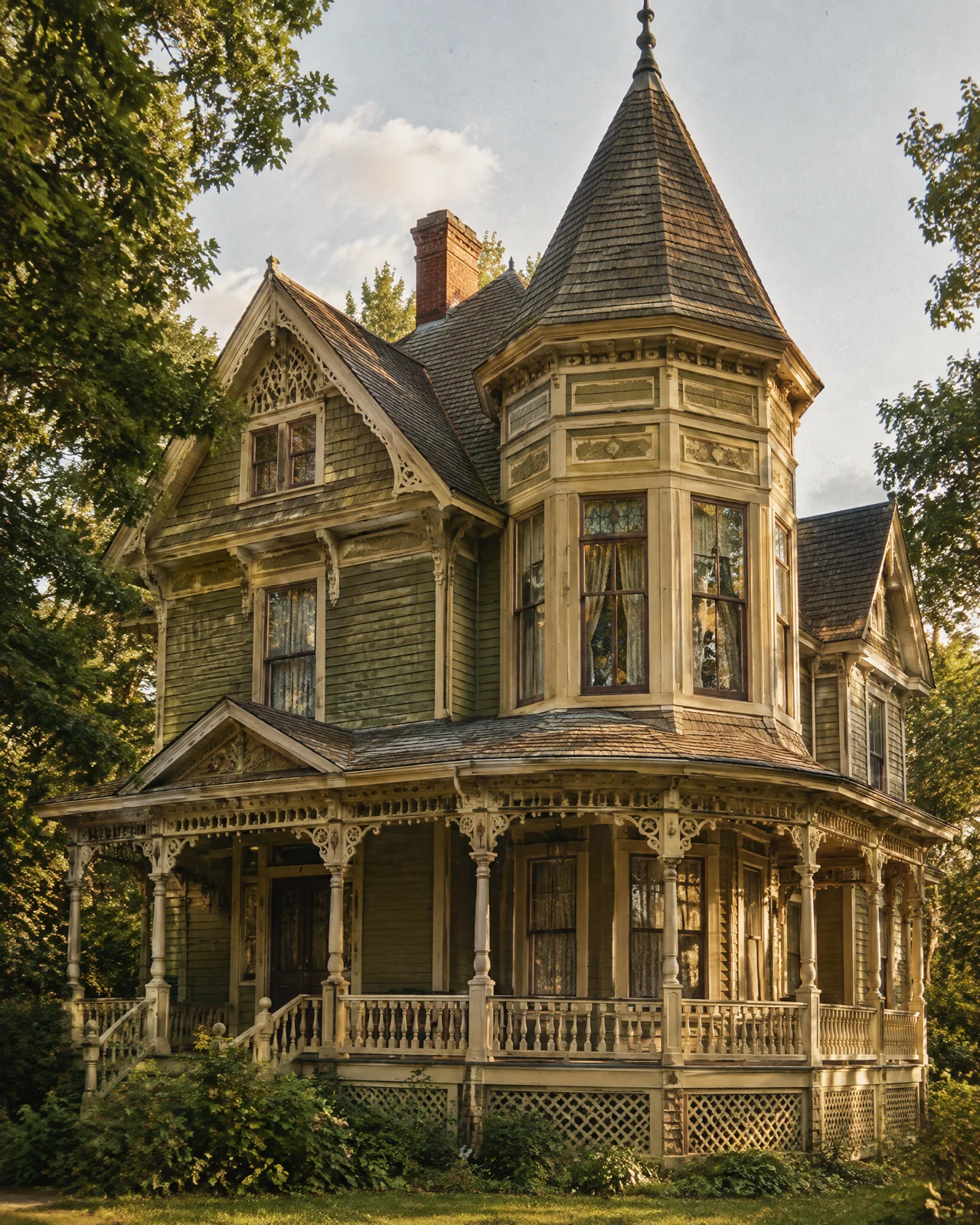
An ornate house may have its most obvious character in a turret or a generous front porch. Its quieter distinctions might be the profile of a door casing, the proportions of its windows, or the way a staircase meets a landing. These details are especially compelling in Victorian homes and in interiors shaped by Art Nouveau's flowing ornament.
The preservation standards explicitly recognize distinctive materials, finishes, construction techniques, and craftsmanship. They also recognize significant changes made over time. A thoughtful project therefore does not automatically strip a house back to a single imagined moment in its history. It starts with documentation and an understanding of what is actually there. [1]
Keeping existing materials can prevent waste
The U.S. Environmental Protection Agency gives source reduction the highest priority in addressing solid waste. In construction, one of its examples is preserving existing buildings rather than constructing new ones. Preventing materials from becoming waste is different from trying to find a use for debris afterward.
That is a strong reason to consider repair and continued use before removal. It is not a promise that every rehabilitation will cost less or have the same environmental result. The building's condition, its future use, the work required, and material transport all affect the practical decision. [2]
Get the right assessment before making an irreversible decision
A house can look worn and still have repairable features; it can also look appealing while concealing serious problems. Ask qualified professionals to assess structure, moisture, building systems, and hazardous materials before choosing a course of work. Check with the relevant local authorities about permits and any historic-designation requirements. This article is general information, not a property-specific assessment.
Photograph the building and its distinctive details before work starts. Keep measurements and a record of what belongs together. If a door and its hardware, a mantel and its trim, or sections of matching molding must be removed, that record can make their history and intended use easier to understand later.
When a house cannot remain, salvage can preserve part of its value
If retention is not feasible after proper review and the necessary permissions, careful deconstruction offers a different path from treating everything as mixed debris. EPA defines deconstruction as carefully dismantling buildings to salvage components for reuse and recycling. Doors, hardware, and fixtures are among the components it identifies as candidates for reuse.
This work needs planning. A recovery opportunity is useful only when materials can be removed safely, assessed, stored, and matched to a suitable next use. There is no blanket guarantee that a particular house or every part of it will be suitable for salvage. [2]
Our perspective: respect the house, then the materials
Legacy Reclaimed is being built around appreciation for old-world craftsmanship. Our planned focus is architectural salvage, careful deconstruction, and reclaimed materials from ornate and character-rich homes. We believe those services should sit alongside an honest conversation about whether a building can be kept—not replace that conversation.
We are still in pre-launch. No service availability, property purchase, or salvage outcome is guaranteed. If you have an opportunity to discuss, share the location and a description through our inquiry form. Start with the story and the facts; decisions about work come later.
References
Sources consulted September 22, 2026. General educational information; not a property assessment, engineering opinion, or instruction to undertake hazardous work.
Have a house or a piece in mind?
Tell us about it as we prepare to launch. Service availability and every project's scope will need to be confirmed.
Explore our planned services